All Categories
Featured
Table of Contents
It likewise solves thatch issues by producing a good environment for microorganisms that deteriorate thatch. Core aerators are readily available for leasing at lots of hardware shops and equipment suppliers. Usage self-propelled systems with vertically operating branches when possible; branches installed on drum rollers are less efficient because they pull shallower cores.
Successfully growing turfgrass in the shade can be difficult. Turfgrass plants are naturally adjusted to grow in full sun to partial shade. (Glechoma hederacea).
For best results, plant mixes including at least 50% great fescues for dry, shaded conditions. For moist, shaded conditions plant mixes with at least 10% supina bluegrass (P. supina).
Apply fertilizer at the same time as for grass in sunny locations but cut the rate in half. Utilizing the full rate on shaded grass briefly increases leaf growth and avoids vigorous root growth; ultimately the grass dies as the root system can no longer deliver adequate water and nutrients to the leaves.
Discovering Premier Landscapers Near the Local NeighborhoodResearch study reveals the leaves can be mulched into the lawn without damaging the turf, as long as the blades of turf remain 12 inches above the mulched tree leaves. For some areas, shade-tolerant groundcovers or mulches might be a better choice than turfgrass.
Top Home Lawn Maintenance Checklists for 2026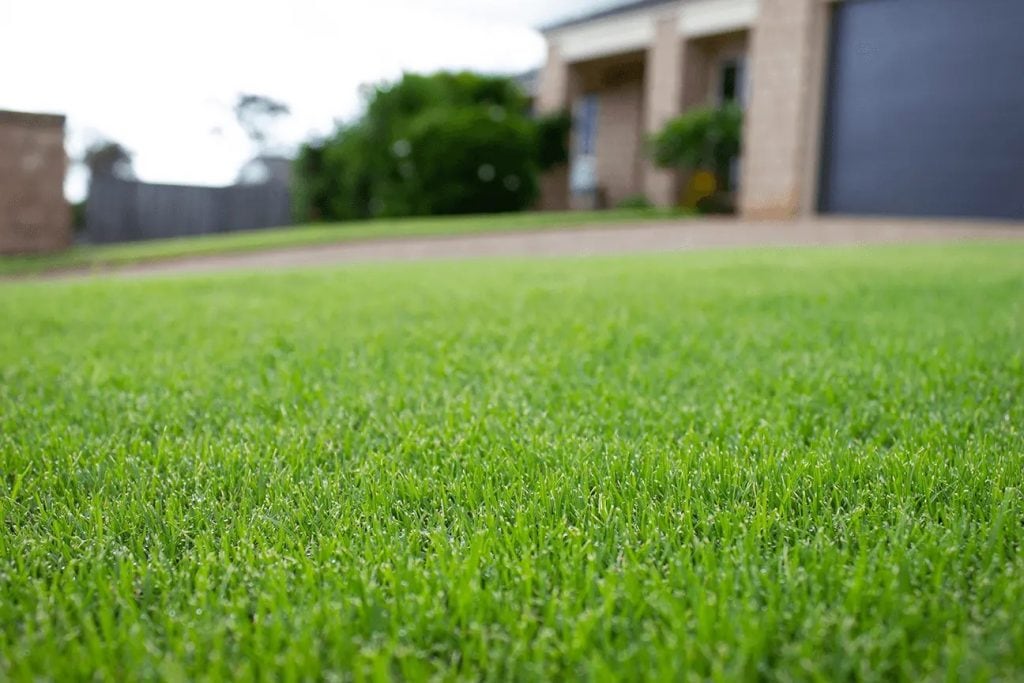
Top Home Lawn Maintenance Checklists for 2026
They attack anywhere grass is weak or thin. Good cultural management practices (mowing, fertilization, and irrigation) will encourage development of dense, healthy grass and crowd out and avoid weeds. In fact, with proper mowing and prompt fertilization alone you can avoid in between 70 and 90% of all weed problems. Herbicides need to be utilized only as a last hope to curb a weed problem.
Select an herbicide based on its ability to control the target weed(s). Elements to think about consist of the type of weed and the life cycle of the weed (yearly, biennial, or perennial).
Other herbicides are packaged to be used utilizing a garden tube. Do not buy more herbicide than you will use within 1 year.
If you prepare to overseed, follow the instructions on the label to make sure the herbicide application does not prevent germination of the seed. Numerous herbicides are particular for just certain kinds of weeds; these are described selective herbicides. Nonselective herbicides (e.g., Roundup, Kleenup) will kill any plant that takes in the herbicide.
Key Strategies for Maintaining a Lush Local Landscape
Weeds are classified as lawns, sedges, or broadleaves. A lot of herbicides manage just weedy grasses or broadleaf weeds, not both. Check out the label on the herbicide container to determine if the product will manage the type(s) of weeds in your grass. Typical grassy weeds in turf include crabgrass, foxtail, and quackgrass.
Pre-emergent herbicides are utilized to control weeds before they show up, generally in early spring. Preemergent herbicides are utilized mostly for control of annual weeds (weeds that live only 1 year) such as crabgrass. Usage post-emergent herbicides when weeds show up. Postemergent herbicides can manage yearly, biennial (2-year life process), or perennial weeds (live indefinitely).
Weed and feed products include both an herbicide and a fertilizer. Weed and feed items are appealing since it appears as if both weed control and fertility requirements can be attained with one application.
Evaluating Local Landscapers and Residential Maintenance Plans
The post-emergent items frequently stop working to sufficiently control weeds since the weeds soak up too little of the herbicide. For best results, do not count on weed and feed products. Rather, fertilize with fertilizer alone according to the schedules noted in. When essential, use stand-alone preemergent herbicides to prevent invasions of yearly weeds such as crabgrass.

Latest Posts
How to Manage Your Garden for Seasonal Shifts
Evaluating Local Gardeners and Residential Service Plans
Essential Tips for Maintaining the Healthy Residential Lawn